Agricultural Buildings Built for Operational Demands
Metal Barns & Agricultural Buildings in Etoile for farms and acreage properties requiring equipment and livestock shelter
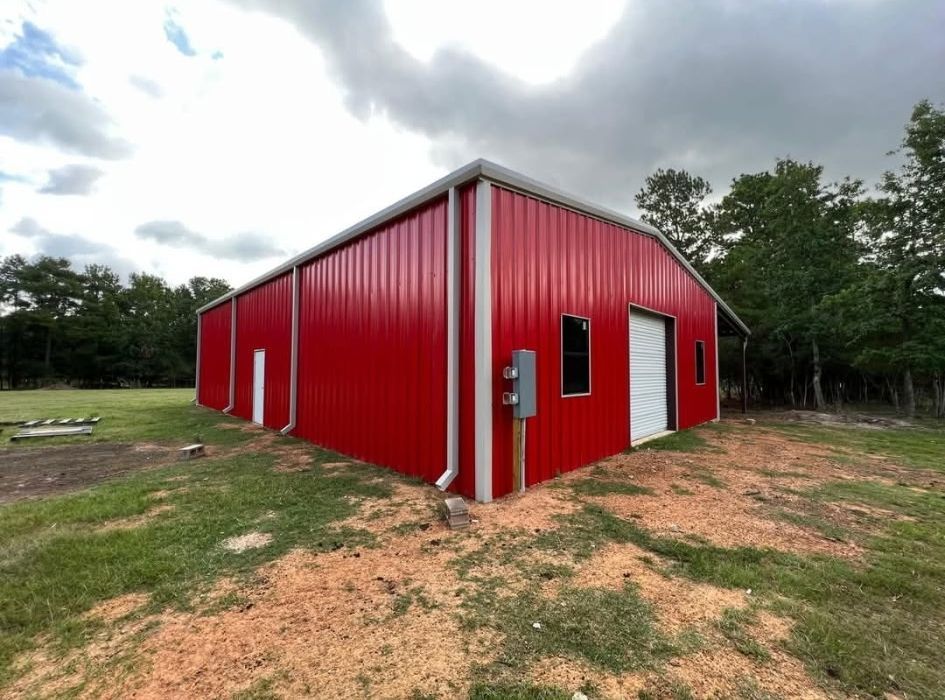
East Texas properties with agricultural operations or extensive acreage often lack adequate covered space for equipment storage, hay protection, or livestock shelter during extreme weather. Gen-Rev Construction builds custom metal barns and agricultural support structures based on operational needs and property layouts, handling complete project management from foundation work through final finishing. You need this when equipment sits exposed to weather year-round, when hay storage lacks protection from moisture, or when expanding livestock operations require additional covered working areas.
The construction process involves evaluating how you use the building—whether for tractor and implement storage, hay and feed protection, livestock shelter, or workshop operations—then designing layout, door placement, and interior features accordingly. Durability and functionality determine material specifications, with designs accounting for ventilation needs in livestock areas, clear spans for maneuvering large equipment, and roof slopes that handle debris accumulation from surrounding trees.
Arrange a project consultation to discuss building requirements based on your property operations and intended use.
The Difference Between Agricultural and General Storage Buildings
Agricultural building construction begins with site selection that allows equipment access, considers drainage patterns to prevent mud and standing water near entrances, and accounts for future expansion if operations grow. Foundation work varies from gravel floors with perimeter footings for basic equipment storage to concrete slabs with reinforced edges for heavy machinery or wash areas where water runoff requires proper slope and drainage. Ventilation design prevents moisture buildup that damages stored hay or creates condensation on equipment surfaces.
After construction completes, you have a structure with overhead door clearances sized for your tallest equipment, roof overhangs that keep rain away from open sidewalls, and durable framing that handles impacts from equipment maneuvering without requiring constant repairs. Gen-Rev Construction installs anchor systems and framing connections engineered to resist wind uplift in open rural locations where buildings face full storm exposure without surrounding structures for protection.
Design decisions include whether you need enclosed walls for security and weather protection or open sidewalls for natural ventilation and easier equipment access, how many overhead doors versus sliding doors fit your operational workflow, and whether interior partitions separate different storage or operational areas. Electrical service planning affects whether you can run tools and equipment inside or light the building for after-dark work, and plumbing rough-in allows future addition of wash stations or livestock watering systems.
What Landowners Typically Want to Know
Agricultural building projects raise practical questions about design choices, construction logistics, and long-term value for farm and acreage property owners.
What building dimensions accommodate common agricultural equipment?
Tractors and implements often require 14-foot wide door openings and 14-foot ceiling clearance, while hay storage buildings need width based on stacking patterns and depth that allows tractor access between rows without excessive maneuvering.
How does site preparation affect construction timelines?
Clearing vegetation, establishing drainage grades, and compacting foundation areas typically takes one to three days depending on site conditions, with rocky soil or heavy clay requiring more time for excavation and grading than sandy or previously cleared sites.
When do I need enclosed versus open sidewalls?
Enclosed buildings protect stored hay from wind-blown rain and provide security for valuable equipment, while open sidewalls improve airflow for livestock comfort and reduce material costs when weather protection matters less than shade and basic shelter.
What foundation type works best for heavy equipment?
Reinforced concrete slabs handle concentrated loads from tractors and implements without rutting or settling, while compacted gravel over pier footings costs less and works well for lighter equipment or when drainage through the floor surface benefits the operation.
How do rural Etoile properties affect building placement?
Setback requirements in agricultural zones differ from residential areas, allowing more flexibility for building location, though access to existing roads and distance from property lines still influence placement decisions to maintain operational efficiency and future expansion options.
Gen-Rev Construction evaluates your property layout and operational requirements to design agricultural buildings that support your specific farming or land management activities. Contact us to begin project planning and review construction estimates tailored to your acreage and building needs.