Roof Systems That Handle Severe Weather
Roofing Replacement & Repair in Lufkin for storm damage, worn shingles, and construction project roofing needs
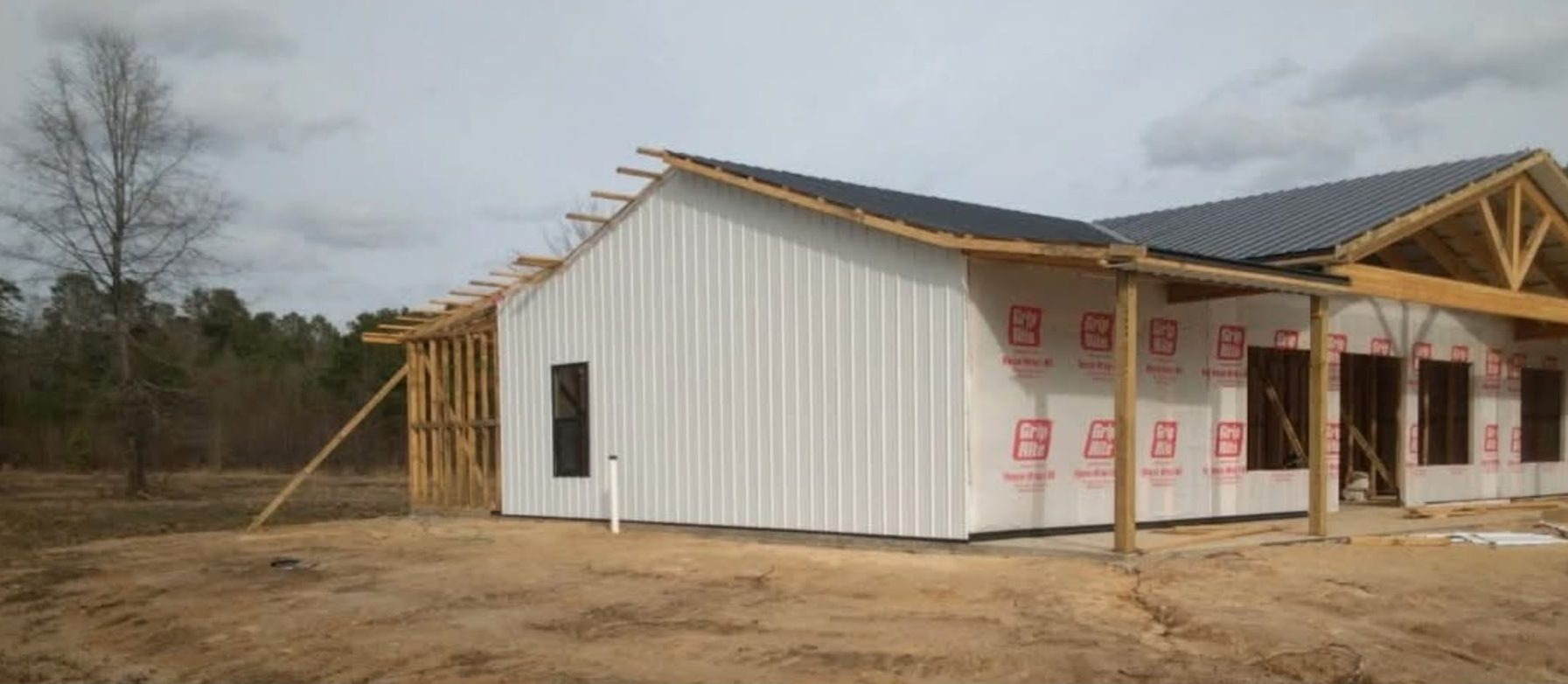
East Texas weather includes high winds, heavy rain events, and hail that damages shingles, dislodges flashing, and exposes roof decking to water intrusion. Roofs showing granule loss, curling shingles, or missing sections allow leaks that damage ceilings, insulation, and framing if not addressed before further storms arrive. Gen-Rev Construction installs and repairs roofing systems for homes, additions, and new construction projects in Lufkin, using proper installation techniques that secure shingles against wind uplift and seal penetrations against water entry.
Roofing work involves removing damaged or worn materials down to decking, replacing any rotted or compromised sheathing, installing underlayment that provides secondary water protection, and applying shingles with correct nail placement and overlap. Flashing installations around chimneys, vents, and roof valleys prevent water infiltration at joints where different roof planes meet, while drip edge and fascia protection direct water into gutters rather than behind siding.
Schedule a roofing inspection to evaluate current condition and discuss replacement or repair options based on storm exposure and remaining shingle life.
Why Proper Roofing Installation Works for Long-Term Protection
Roofing replacements begin with decking inspection to identify areas where moisture has caused rot or delamination, followed by sheathing repairs or replacement before new underlayment is applied. Shingle installations require specific nail counts and placement patterns to resist wind uplift, with each course overlapping correctly to shed water downslope without allowing capillary action to draw moisture under edges. Ventilation systems including ridge vents and soffit intake prevent attic heat buildup that accelerates shingle aging and reduces lifespan, particularly important in Lufkin where summer attic temperatures often exceed 150 degrees without proper airflow.
After roofing work is finished, you'll see shingles that lay flat without lifting or curling, valleys and flashing that channel water without pooling or leakage, and attic spaces that remain dry even during heavy rain. Properly installed roofs eliminate ceiling stains, reduce cooling costs by lowering attic temperatures, and provide protection that lasts through multiple storm seasons without requiring emergency repairs after every weather event.
Roofing services include full replacements for aging or damaged roofs, targeted repairs for storm damage or isolated failures, and new roof installations for additions or construction projects. The work is coordinated with other construction phases when part of larger projects, ensuring that roofing is completed before interior finishes are installed to prevent weather-related delays.
Questions Property Owners Ask About Roofing
Roofing decisions involve evaluating whether repair or full replacement makes sense based on current damage, age, and expected remaining service life.
What indicates a roof needs replacement rather than repair?
Full replacement is appropriate when shingles show widespread granule loss exposing the mat, when multiple leaks indicate systemic failure, when the roof has exceeded its expected lifespan and shows curling or brittleness, or when storm damage affects more than thirty percent of the surface area.
How do you protect against wind damage during installation?
Wind resistance requires proper nail placement through the shingle's nailing strip rather than too high or too low, adequate nail count per manufacturer specifications, and use of starter strips along eaves and rakes to seal edges against uplift during high winds common in East Texas storms.
What causes roofs to fail prematurely in Lufkin?
Premature failure often results from inadequate attic ventilation that traps heat and accelerates shingle aging, improper flashing installation that allows water intrusion, or insufficient underlayment that leaves decking exposed when wind-driven rain gets under shingles during severe weather.
When should roofing repairs be done instead of full replacement?
Targeted repairs work well for isolated storm damage affecting a limited area, single leaks caused by flashing failure or penetration issues, or recent roofs where damage hasn't spread and the remaining surface shows good condition with intact granules and flexibility.
What roofing materials hold up best in East Texas weather?
Architectural shingles with higher wind ratings resist uplift better than basic three-tab shingles, while impact-resistant products reduce hail damage, both important considerations given Lufkin's exposure to severe thunderstorms and occasional tropical systems that bring sustained high winds.
Gen-Rev Construction provides detailed roofing assessments and coordinates installations with construction schedules for complete project efficiency. Request a roofing estimate to review material options, damage evaluation, and installation planning for your home or construction project.