Protection From Weather and UV Exposure
Metal Carport Installation in Etoile for vehicles, equipment, and recreational assets needing shelter
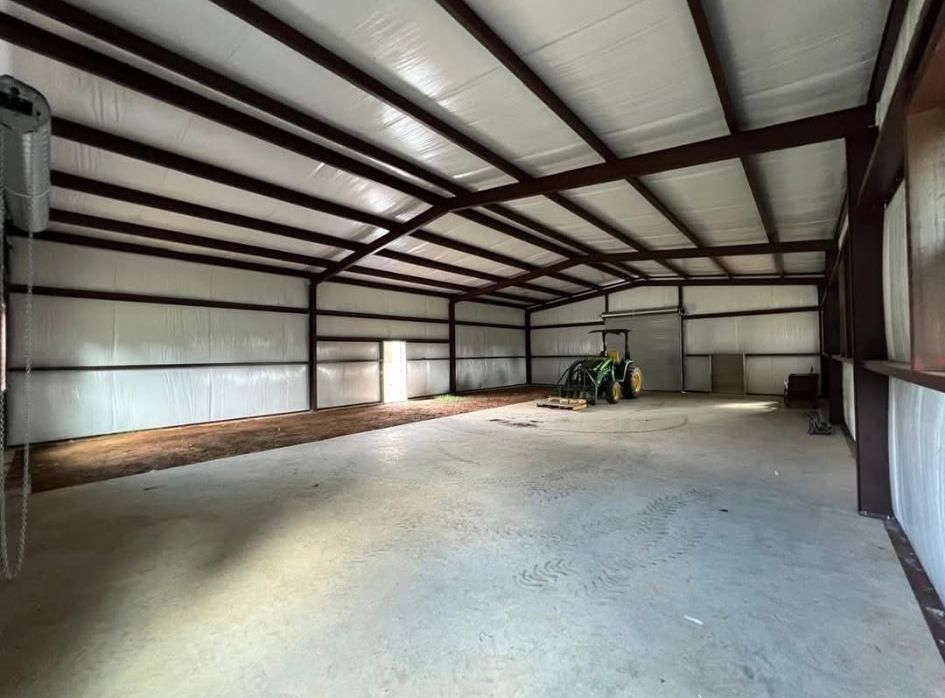
Prolonged sun exposure fades vehicle paint and cracks plastic trim, while seasonal storms deposit tree debris and deliver hail that damages exterior surfaces. Gen-Rev Construction installs custom carports designed to protect vehicles, equipment, boats, and recreational assets from weather exposure on residential and rural properties. Sizing and layout options account for the number of vehicles you need to shelter, clearance height for larger equipment or RVs, and whether you want enclosed sides for additional weather protection.
Installation involves site preparation to create level parking areas, foundation or anchor systems appropriate for soil conditions, and frame assembly with roof panels that shed water away from vehicles. Customization opportunities include extending the roof to create covered walkways to entry doors, adding enclosed storage sections at one end, or installing gable roofs instead of standard single-slope designs for increased clearance or visual integration with existing structures.
Request a free carport estimate to discuss sizing options and site placement for your property.
What Changes After Carport Installation
The installation process includes establishing anchor points that resist uplift during high winds, attaching roof panels with overlapping seams that prevent water infiltration, and installing trim pieces that direct runoff toward designated drainage areas. Durable materials and professional construction practices ensure the structure remains stable during storms and resists corrosion from humidity and temperature cycling common in East Texas.
Once the carport is installed, you notice vehicles that stay cooler in summer because they avoid direct sun exposure, reduced need for windshield cleaning from tree sap and pollen accumulation, and protection from hail impacts during severe weather. Metal roofing sheds pine needles and leaves rather than allowing debris to accumulate and trap moisture, which reduces the cleaning maintenance required compared to leaving vehicles under trees.
Additional factors include whether you want the carport attached to an existing building or freestanding in the yard, how close to property lines you can build based on local setback rules, and whether electrical service for lighting or equipment charging affects the installation budget. Roof height determines whether the structure accommodates lifted trucks, equipment with raised cabs, or tall recreational vehicles without clearance concerns.
Questions Before Starting Your Project
Carport projects involve decisions about size, placement, and features that affect both cost and long-term usefulness for property owners.
What dimensions work for standard vehicle protection?
A single-vehicle carport typically measures 12 feet wide by 20 feet long, while two-vehicle designs start at 20 feet wide, with length adjustments based on whether you park trucks, SUVs, or vehicles with extended beds or trailers attached.
How does foundation type affect installation cost?
Concrete footings with metal posts provide the most stability and longevity but cost more than ground anchors, which work well in stable soil conditions and for smaller carports without heavy snow loads or extreme wind exposure.
When should I consider enclosed sides?
Enclosing one or more sides blocks wind-driven rain, prevents leaves and debris from blowing under the roof, and provides more security for stored equipment, though it increases material costs and may require building permits depending on total enclosed area.
What roof material options affect durability?
Galvanized steel panels resist rust and last decades with minimal maintenance, while painted or coated panels offer color choices that match existing buildings and include additional corrosion protection, with performance differences mattering more in high-humidity coastal areas than inland locations.
How do Etoile site conditions influence carport design?
Properties with heavy clay soils benefit from concrete foundations that prevent settling, while areas with large trees require roof pitch and placement that minimize debris accumulation and allow clearance for falling branches during storms.
Gen-Rev Construction evaluates your site and discusses carport sizing and features that match your vehicle protection needs and property layout. Call to schedule a property visit and receive detailed project pricing.