Decking Built to Skip the Annual Refinishing
Composite deck installation in Huntington for homeowners replacing warped, splintered, or high-maintenance wood surfaces
Gen-Rev Construction installs composite decking in Huntington for property owners who want an outdoor surface that holds up to regular use without the seasonal cycle of sanding, staining, and sealing that wood boards demand. Composite decking is engineered from a blend of wood fiber and polymer that resists the surface degradation common to traditional lumber—no splinters forming underfoot, no boards cupping after prolonged exposure. The result is a deck surface that looks consistent from year to year without requiring the same labor input to maintain it.
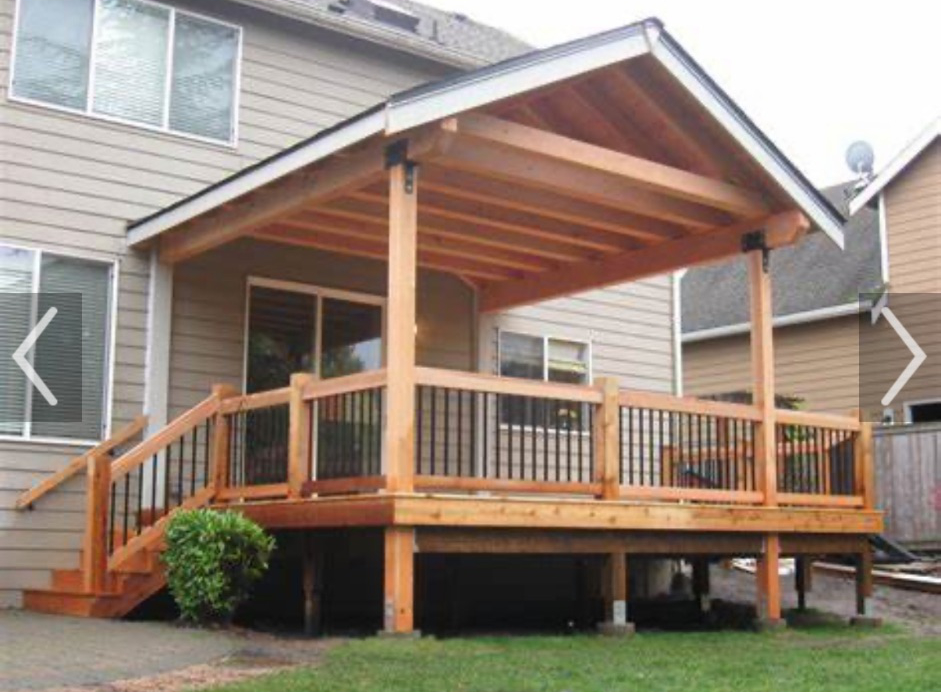
The installation process begins with evaluating the existing structure or planned footprint, confirming that framing, ledger attachment, and post depth meet current load and spacing requirements for composite material, which carries more weight per board than standard pressure-treated lumber and requires closer joist spacing on most product lines. Gen-Rev Construction selects board colors, textures, and finishes in consultation with each homeowner, then builds the full deck assembly including railings, stairs, lighting rough-in, and any built-in seating specified in the design. Fastening systems are chosen based on whether the board profile calls for hidden clip installation or face-fastening, since composite manufacturers require method-specific installation to maintain structural integrity and warranty compliance.
Set up a walkthrough of your property to review site conditions and discuss composite material options suited to your layout.
What Sets Composite Apart From Traditional Lumber
Wood decks in rural East Texas properties—particularly those built on pier-and-beam footings or elevated above grade to manage uneven terrain—historically required board replacement every several years as moisture worked into end grain and caused splitting along fastener points. Composite boards eliminate that specific failure mode because the polymer shell prevents moisture from penetrating the core, so the boards do not swell, shrink, or check the way solid wood does between wet and dry periods. That stability also means fastener holes remain tight over time rather than loosening as the surrounding material contracts.
Once installation is complete, you will notice that the surface texture stays consistent rather than showing the gray weathering pattern that untreated or under-maintained wood develops. Composite boards are also available in capped profiles, where all four sides of the board are encased in the polymer layer, which provides additional resistance to staining from leaves, standing water, and outdoor furniture contact. Gen-Rev Construction walks clients through capped versus uncapped board options during the design phase so the final selection fits both aesthetic preferences and the specific conditions of each site.
Custom features including multi-level framing, post-mounted lighting, and cable or composite railing systems can be integrated into the original build rather than added later, since running conduit and blocking for lighting is far simpler before decking boards are laid than after. Planning those elements at the outset also prevents gaps in the framing layout that can complicate attachments after the field boards are down.
Answers About How Composite Deck Installation Works
The questions below address the installation process, material decisions, and what to expect once the deck is finished.
What joist spacing is required for composite decking compared to wood?
Most composite decking manufacturers specify 12-inch on-center joist spacing for diagonal board runs and 16-inch for straight runs, which is tighter than what framing designed for wood boards typically uses—so existing substructures often need sistered joists added before composite boards can be installed correctly.
How are composite boards fastened to prevent surface gaps from shifting over time?
Hidden clip fasteners are inserted between boards during installation to hold spacing consistent and allow minor thermal movement without buckling, while face-fastening requires pre-drilling to avoid surface cracking at the fastener point.
What should you look for in finished composite deck boards to confirm proper installation?
Boards should sit flat without rocking across joists, end cuts should be sealed with manufacturer-supplied end-cap material, and fastener clips should be fully seated so no metal is exposed above the board surface.
How does the substructure evaluation in Huntington affect composite deck planning?
Properties on sloped or uneven ground, which are common on rural acreage in Huntington, often require additional post footings or beam spans to bring the framing to level before composite material is laid, since composite boards will telegraph any unevenness in the frame more visibly than wood.
Why does board color selection matter beyond appearance?
Darker composite board colors absorb more radiant heat and can become noticeably hotter underfoot in direct sun exposure, which affects both comfort and furniture placement, so the orientation of the deck relative to afternoon sun is a practical factor in color decisions, not just an aesthetic one.
Gen-Rev Construction handles composite deck installations from initial framing evaluation through final board and railing placement, giving you a complete picture of what the finished structure will involve before work begins. Arrange a site visit to review your specific footprint and go over material selections in detail.